
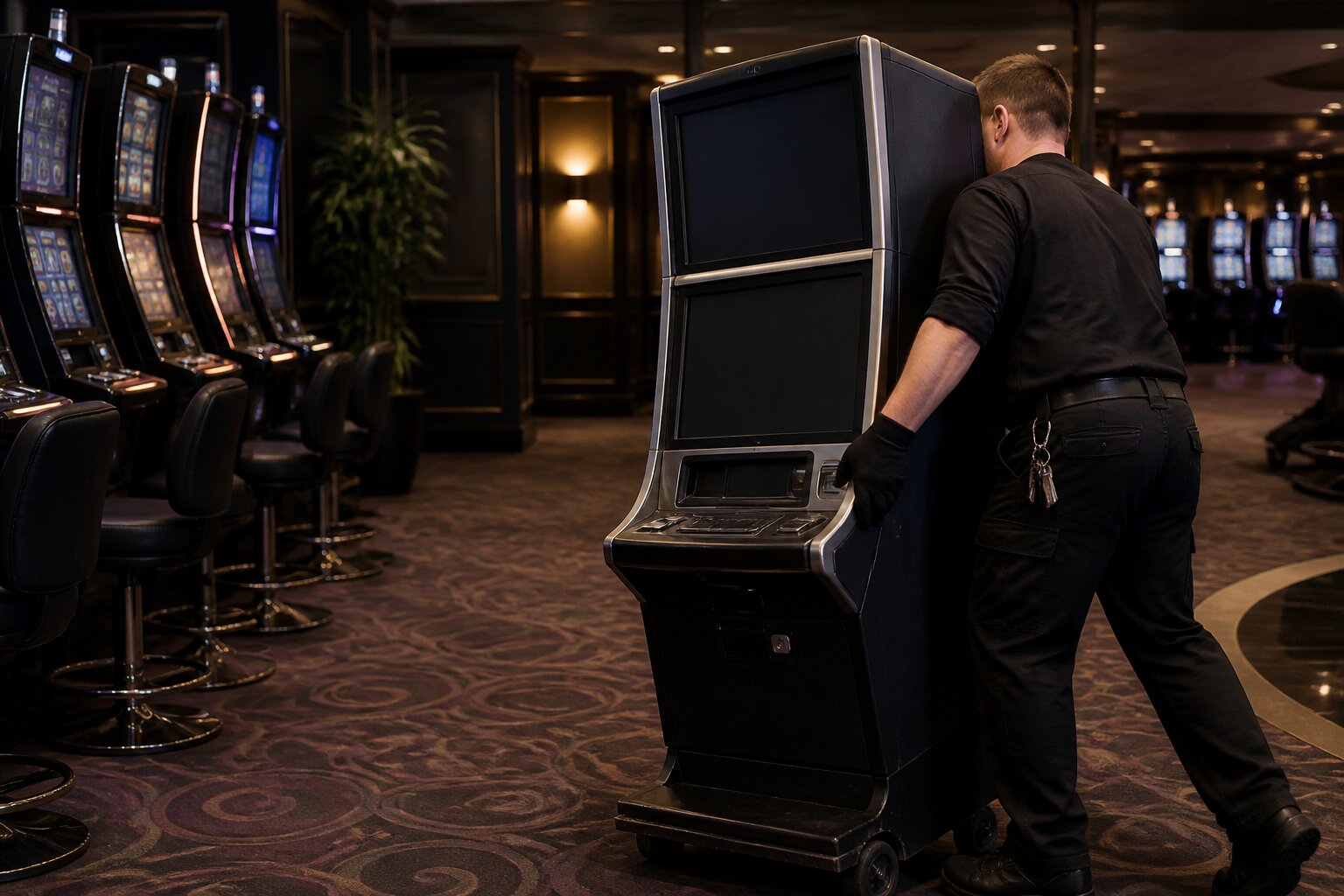
Ever wandered into a casino and noticed your favourite slot machine has vanished? It’s a strange feeling: one minute you’re pushing that button, chasing a bonus round, and the next it’s gone without a trace. You might start to wonder why these changes happen at all.
Slot floors are constantly being reimagined, and machines come and go more often than you might think. Behind every removal are decisions driven by technology, player demand, commercial strategy, and regulation. Whether it’s ageing fruit machines in a seaside arcade or the latest video slots in a central venue, operators regularly reshuffle their line-up.
What’s driving these changes? Is it all about money, popularity, or something else entirely? For players it can be puzzling and sometimes frustrating to see a go-to machine disappear. But there are clear reasons behind most removals, and understanding them gives useful context for what you’ll find next on the floor.
Main Reasons Casinos Remove Slot Machines
Casinos rarely change their slot machine line-ups without a plan. Every inch of the gaming floor is valuable, and operators want to use space efficiently. Common reasons for removing slots include outdated technology, low performance, shifting player preferences, new game launches, strategic changes to the offering, and failure to meet current regulatory requirements.
These factors determine which machines stay and which go, shaping the overall experience for visitors. Below are typical causes that prompt an operator to withdraw a game, explained with the sort of impact each factor creates and what follows when a machine is deemed surplus to requirements. Read on to see how these causes play out in practice, starting with the effect of ageing equipment.
Outdated technology
Machines that use old software or hardware tend to have more faults and slower performance. Screens with poor resolution, clumsy interfaces, and limited bonus features make play less engaging and harder to support from a maintenance perspective. Older cabinets may also lack modern controls for displaying key information, which complicates compliance with industry standards.
When technology is the issue, operators weigh repair or upgrade costs against the machine’s likely future income. If upgrading is impractical, the machine will be removed and replaced with a unit that meets current expectations for both players and regulators.
Low performance
A slot’s popularity is measurable: how often it gets played, the amount wagered through it, and how long players stay. Machines that fail to attract enough activity simply do not justify their space. Poor-performing units are typically rotated out to make room for titles that better match player interests or offer higher returns to the venue.
Changing player preferences
Tastes change. Themes, features, and gameplay mechanics that once drew crowds can date quickly. Branded titles, cinematic graphics, novel bonus structures and multi-level jackpots now shape demand. When a game no longer fits current preferences, it becomes a candidate for replacement.
New game launches
New releases require floor space, especially when operators introduce titles with advanced visuals or linked jackpot systems. To accommodate these launches, older or underperforming machines are often removed to present a refreshed selection to visitors.
Casino strategy updates
Operators periodically reassess the mix of games to align with their target audience or venue image. A shift in strategy — for example, focusing more on family-friendly arcades in one site or premium experiences in another — will influence which machines remain.
Regulation and technical compliance
When a machine cannot meet current technical or information standards, removal is sometimes the only option. Machines that cannot easily present required information or support necessary safeguards are often withdrawn to ensure the venue remains compliant.
With those main reasons laid out, next we’ll look more closely at how ageing equipment specifically affects player interest and how operators measure that impact.
Do Outdated Machines Affect Player Interest?
Yes. Machines with clunky interfaces, blurry screens, or tired themes struggle to hold attention. Many players expect seamless play, clear displays and engaging features; when a slot falls short, it rapidly loses its audience. Operators track this through data: if spins and stake totals drop below expectations, the machine is earmarked for replacement.
Older units may also be limited in how they display important player information or integrate new monitoring tools. That makes continued use harder from both an operational and a compliance perspective. When an operator identifies these shortcomings, the decision to replace the unit is often faster than attempting costly retrofits.
As new technology becomes available, it offers a better user experience and simpler ways to meet forthcoming standards, which brings us to how that technology drives replacement cycles.
How Do New Technologies Influence Slot Replacements?
Slot technology moves quickly. Modern machines commonly feature high-definition touchscreens, advanced lighting, and interactive bonus mechanics that enhance engagement. Beyond aesthetics, these developments include built-in safeguards and clearer presentation of game details, helping operators meet regulatory expectations more efficiently.
For venues that also offer online play, software providers regularly update libraries to prioritise titles that perform well and meet certification requirements. When newer technologies raise the bar for player experience and oversight, older games are removed to free space for units that deliver improved play and easier compliance.
With enhanced hardware and software in place, casinos often see stronger engagement — and that greater appeal shows up in revenue, which is what the next section examines.
Casino Profits & Machine Performance
Slot machines are a major revenue source, so operators continually assess which titles generate acceptable returns. Players gravitate toward visually and mechanically engaging games, and that behavioural pattern is reflected in turnover figures. A classic mechanical fruit machine, for example, may feel nostalgic but often falls behind modern video slots that offer themed storylines, mini-games and progressive features.
When a machine’s takings decline, it impacts the venue’s overall income and can prompt rapid replacement. Operators compare performance across the floor and prioritise machines that keep players engaged for longer sessions and higher repeat play. This commercial reality is a key driver behind frequent rotations and targeted introductions of new titles that match current demand.
Next, we’ll explore how regulation intersects with these commercial pressures and how compliance can itself trigger removals.
Regulatory Factors Influencing Slot Machine Removal
Regulation sits at the heart of many removal decisions. Rules require clear information about game mechanics and returns, together with systems that support fair operation and monitoring. When guidance evolves, machines that cannot display required data or support mandated safeguards may need to be withdrawn.
Technological change also affects certification. Software and hardware must be up to date to retain approval for play, and machines failing audits or unable to be upgraded often cannot remain in service. Networked systems, for instance, enable central monitoring and pooled jackpots but require compatible, certified technology. Where retrofitting is not viable, removal becomes the practical and regulatory solution.
Understanding this compliance dimension helps explain why some machines are taken out even if they still appeal to a small group of players. The next section turns to how shifting tastes shape what operators choose to keep or introduce.
How Player Preferences Shape Slot Machine Line-Ups
Operators closely monitor play patterns to understand what attracts their customers. Data on spin rates, stake sizes and session lengths reveals which games resonate. If a particular title consistently delivers only a small share of spins while other games perform strongly, it is likely to be replaced.
These decisions keep the floor aligned with what players want: games that offer compelling features or tie-ins tend to draw more attention. Rotating less popular titles for fresher options helps venues maintain a selection that reflects evolving tastes while making sure every machine contributes to the overall offering.
Planned refreshes based on player data also give operators a chance to introduce games that better support compliance and modern user expectations, a topic the next section covers when we look at space and layout.
Physical Space & Casino Layout Considerations
Space on the gaming floor is finite, so every machine needs to justify its place. Layout planning balances comfort, accessibility and safety, including clear evacuation routes and wheelchair access. Sometimes machines are removed simply to create wider aisles or better sightlines to staff and information points.
Technical standards influence these choices as well. A machine that regularly faults or cannot pass a fairness or safety check must be taken out of service. Likewise, software that loses certification cannot legally remain on the floor. Removing such units protects both customers and the operator and typically frees space for machines that offer reliable performance and clear, certified displays.
Having considered how machines leave the floor, the following section explains what commonly happens to them after removal.
What Happens to Removed Slot Machines?
Removed machines are handled in a few ways, depending on condition and compliance. Some are repaired, refurbished and sold to other regulated venues where they still meet technical and certification standards. Others rely on legacy software or non-upgradeable components and are responsibly decommissioned and recycled.
Data and player feedback inform these outcomes. If analysis shows strong demand for certain types of games, operators prioritise introducing more of those. Removed machines that cannot be upgraded simply do not fit the operational or regulatory model and are disposed of according to industry best practice.
There is also an operational rationale: retired machines free up budget and space for newer equipment that better serves players and meets oversight requirements, which in turn affects the overall visitor experience explored next.
Impact on Players & the Casino Experience
Changes to slot line-ups alter the look and feel of the gaming floor and can influence how visitors interact with the venue. Introducing new game types or reconfiguring areas to improve accessibility and reduce congestion helps create a more comfortable environment. At the same time, some regulars will miss favoured machines, but these adjustments aim to balance individual preferences with the needs of the wider visiting population.
Floor updates also support clearer presentation of game information and operational reliability, which benefits everyone. While replacements can feel disruptive in the short term, they are part of maintaining a modern, well-run venue that aligns with regulatory expectations and player demand.
Taken together, these factors explain why machines are removed and how those decisions affect both the venue and its guests. Whether upgrading technology, reacting to data, meeting certification requirements, or improving layout, each removal is part of a broader process to keep the casino floor running smoothly and fairly for adult customers.
Play Online Slots at Slots Baby
We would love you to become part of our friendly Slots Baby community and share in the excitement of online slots with us. There is always a welcoming atmosphere waiting for new players who enjoy great entertainment.
Getting started is simple: just create an account, make a deposit and you are ready to play. We hope you will enjoy being part of our community and look forward to seeing you around.
**The information provided in this blog is intended for educational purposes and should not be construed as betting advice or a guarantee of success. Always gamble responsibly.