
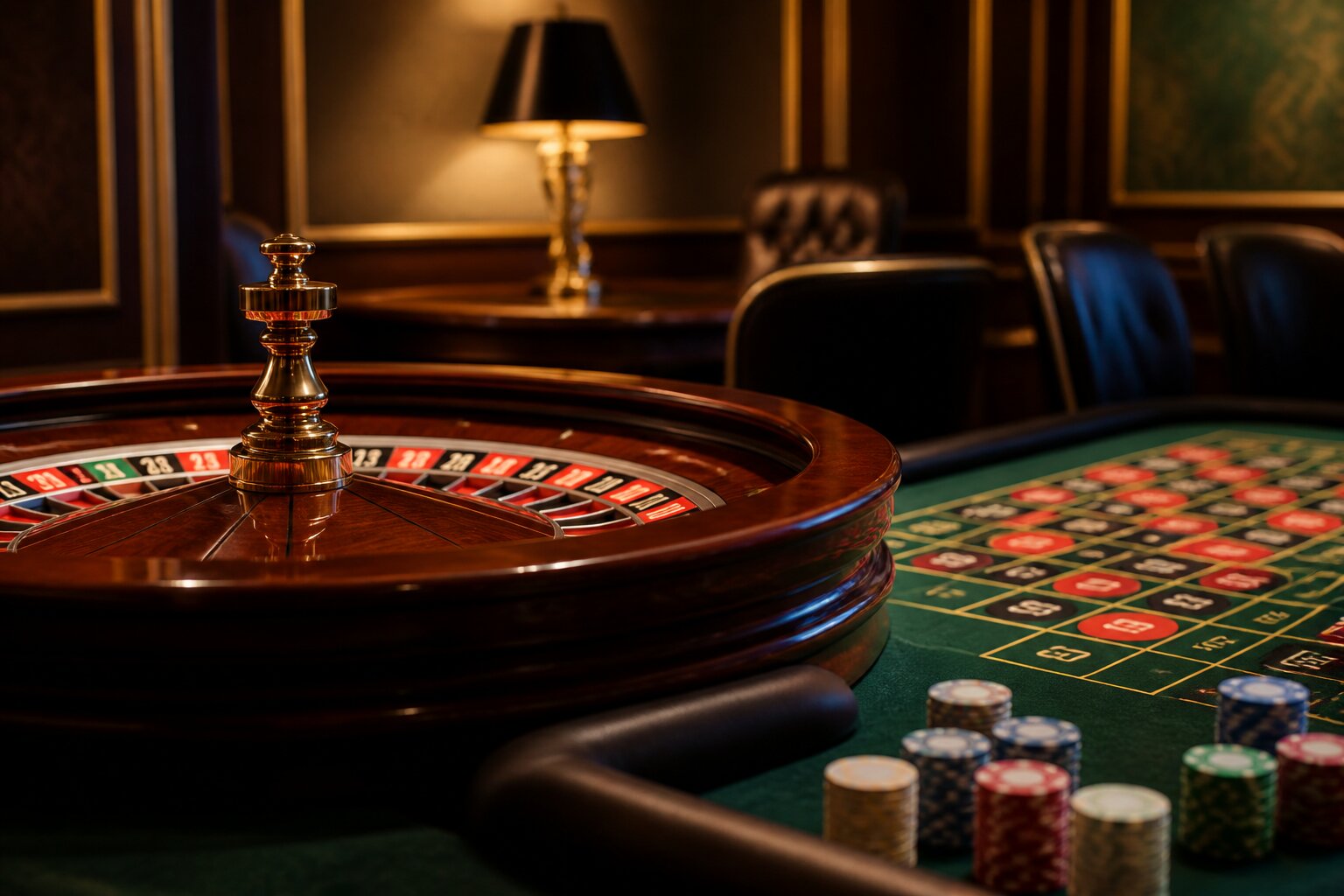
Ever wondered if there are secrets hiding in the spin of the roulette wheel? Many players enjoy watching the table closely, following numbers and noting streaks such as repeated colours or clusters of particular numbers.
If you’re curious about the most common roulette patterns and how players try to spot them, this guide explains what those trends look like, how people track them, why they feel convincing, and what risks come with relying on them. Read on to understand the patterns players talk about and what they actually mean.
What Are Roulette Patterns?
Roulette patterns are sequences or streaks that people notice while watching results. Typical examples include runs of red or black, several even or odd numbers in succession, or particular numbers appearing more often than others during a session. Players may also see alternating outcomes, such as red-black-red-black, or strings of high or low numbers.
These sequences feel meaningful because humans instinctively look for order, but in regulated roulette each spin is independent and outcomes are produced to be unpredictable. Patterns that appear during play are coincidences that emerge naturally when many random events occur. Understanding this helps frame what patterns are — interesting observations, not reliable predictors.
If you want to know how observers turn those observations into trends at the table, the next section shows the methods players use to track results.
How Do Players Identify Trends in Roulette?
Players use several methods to spot trends. Casinos often display recent results on electronic scoreboards, and many players use those displays to watch for runs or clusters. Others make their own notes, recording appearances of red or black, evens and odds, or individual numbers they think are recurring.
Common ways people try to identify trends include:
- Watching for streaks such as multiple reds in a row.
- Tracking so-called hot numbers that have appeared often in a short span, and cold numbers that haven’t shown up.
- Noticing groups of results that fall within one column or dozen on the betting layout.
These tracking techniques are observational rather than predictive: they help players follow the action and form hypotheses, but they do not alter the statistical odds of future spins. Ahead you'll find concrete examples of the patterns players most often notice.
Examples
Here are typical sequences that attract attention at the table.
Red and Black Streaks
Runs of one colour are easy to spot and memorable. For instance:
- Five consecutive results are red: Red, Red, Red, Red, Red
- Black appears seven times in a row: Black, Black, Black, Black, Black, Black, Black
A long streak of the same colour creates a clear visual pattern that people notice straight away. That visual impact often prompts conversation, commentary or a change in betting behaviour among players.
It is important to remember that a streak does not alter the underlying chance of the next spin. The sequence is a description of what has already happened rather than a reliable signal about what will occur next.
Hot and Cold Numbers
Players often flag numbers they think are appearing more frequently (hot) or hardly at all (cold). Examples include:
- Hot number: 17 appears three times in 15 spins
- Cold number: 25 hasn’t been drawn in 40 spins
Calling a number hot or cold is simply a way to summarise recent outcomes over a chosen sample of spins. These labels are not predictions of future results, they are shorthand for recent frequency.
Using the terms can help players discuss patterns, but the statistical properties that govern each spin remain the same regardless of how a number has performed in the recent past.
Repeating Number Patterns
Short-term repetitions can catch the eye, such as:
- The number 8 comes up twice in six spins
- 12, 14 and 16 (all in the same dozen) appear repeatedly in a session
Spotting that a number or a group of numbers has repeated can feel significant, particularly when those repeats occur close together. Players may notice these clusters and allow them to influence their choices during a session.
Again, these repetitions are merely a record of past spins and do not constitute a guarantee about what will happen subsequently. They serve as a snapshot of recent results rather than a predictor.
Some players focus on where winning numbers sit on the betting layout, which leads into the next examples.
Table Layout Patterns
Noticing which column or dozen results fall into is another common approach. Examples include:
- The last four winning numbers were 5, 8, 11 and 14 — all located in the first column
- Six out of eight spins land in the second dozen, such as 13, 18, 20, 21, 22 and 24
These observations help form short-term narratives at the table and can make a session feel as if it has a pattern or rhythm. That perceived pattern often influences how people place bets, or how they choose to continue playing.
While such layout patterns are interesting to observe, they are, like other examples above, descriptions of recent outcomes and do not change the independent probabilities that apply to each new spin.
Why Do Some Players Believe in Patterns?
Belief in patterns comes from natural psychological tendencies. The human mind prefers order and looks for explanations, so random clusters can seem meaningful. A specific error that feeds this belief is the gambler’s fallacy — the idea that past outcomes affect future ones, for example thinking a colour is “due” after several repeats.
Spotting patterns can also feel like a way to impose control or structure on a fast-moving game. That perceived control can be satisfying, which is why many players enjoy tracking trends and discussing them with others. While that social and mental engagement is understandable, it’s important to keep expectations about what patterns can actually accomplish realistic. In the next section we look at whether patterns can be used to predict outcomes.
Can You Predict Roulette Outcomes Using Patterns?
Patterns observed in play do not allow reliable prediction of future spins. In regulated roulette, whether played live or online, each outcome is produced to be independent and unpredictable. The mechanisms behind the game — physical wheel behaviour or certified random number systems — do not retain memory of past results, so previous sequences do not influence what happens next.
From a statistical standpoint, the house edge and the underlying probabilities remain constant across spins. Strategies that rely on past outcomes to forecast future ones have not been shown to increase success over the long term. Players may still find patterns engaging, but they should be regarded as part of the experience rather than a method of gaining advantage. The next section examines the practical risks of relying on trends.
Risks of Relying on Trends in Roulette
Treating patterns as predictive can lead to problematic behaviours. The urge to chase a perceived correction or to double bets after a streak can escalate losses quickly. Misreading randomness may also cause frustration, encourage longer sessions than planned, or make it harder to stick to preset limits.
These behaviours increase the potential for financial and emotional harm. Setting clear boundaries on time and spend and taking regular breaks can help maintain gambling as a contained form of entertainment. If play ceases to be enjoyable or control becomes difficult, seeking support is important. Remember that spotting patterns is part of how people engage with roulette, but relying on them as a strategy carries real risks and should be avoided.
This wraps up an overview of the most common roulette patterns, how they are tracked, why they feel convincing, and the practical consequences of treating them as prediction tools. Whether you follow trends for fun or simply enjoy watching the wheel, keeping expectations realistic preserves the enjoyment and safety of the game.
Explore Casino Entertainment at Slots Baby
We’re delighted to welcome you to our site, where you can enjoy casino entertainment in a relaxed and friendly setting. Take your time to explore, play, and make the most of your experience with us at your own pace.
Getting started couldn’t be simpler—just create an account, make a deposit and you’re all set to play. We look forward to having you with us at Slots Baby.
**The information provided in this blog is intended for educational purposes and should not be construed as betting advice or a guarantee of success. Always gamble responsibly.