
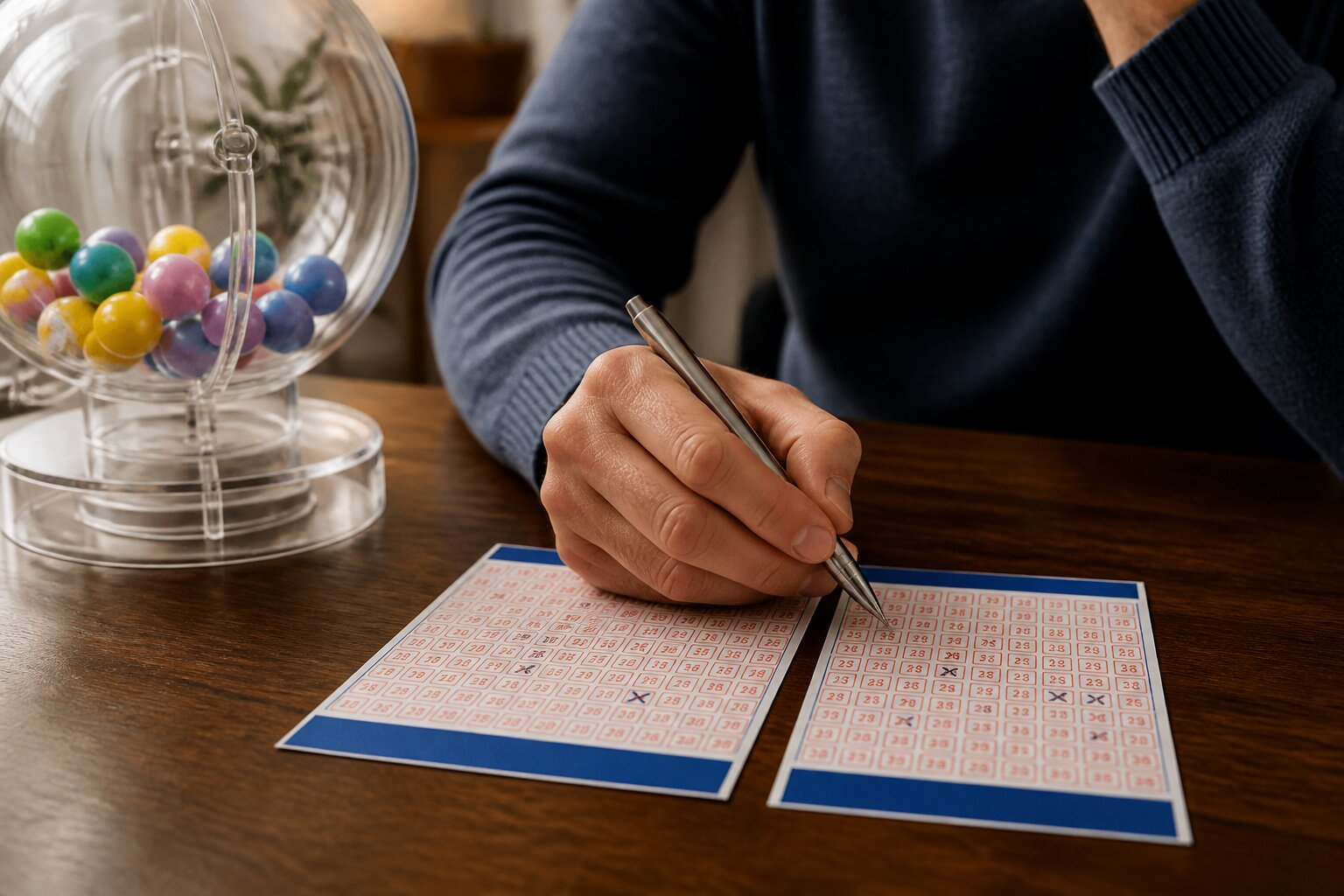
Buying a lottery ticket can be a small thrill, whether you let the machine pick the numbers or select them yourself. Some players prefer numbers that mean something to them, while others favour a computer-generated set.
This article explains how each approach works, what the odds really are and how perceptions can shape how people play. Read on to gain a clearer view so you can pick the method that suits you best.
Understanding How Lottery Numbers Are Picked
Lotteries use carefully controlled procedures to ensure every draw is random and fair. Equipment is tested and maintained, draws are overseen by independent officials, and regulated processes reduce the risk of bias. The result is a system where each combination of numbers has the same chance of being drawn in any given draw.
Random number generation and physical draw procedures operate separately in different games, but the principle is the same: no past result influences a new draw, and no selection method changes the underlying probabilities. This sets the scene for understanding both computerised selections and player-chosen numbers, which we’ll look at next.
What Is a Lucky Dip and How Does It Work?
A Lucky Dip is the option to have a machine or online system select your ticket numbers automatically. The generator produces a combination at random; there is no human pattern behind the choice. This is useful when you want to play quickly or prefer not to think about specific numbers.
Using this service does not alter your mathematical odds. It simply provides a convenient way to obtain a valid, random combination for a draw, and many players choose it for speed and simplicity. If convenience matters to you, a Lucky Dip can be an efficient option — and in the next section we’ll explore why some people still prefer to pick their own numbers.
Choosing Your Own Numbers: Is There an Advantage?
Picking your own numbers lets you use dates, favourite figures or other personally meaningful combinations. That can make the experience more engaging and feels more intentional to many players. Choosing numbers can also become a small ritual, adding pleasure and personal connection to a routine that might otherwise feel random.
However, that emotional connection does not change the statistical reality: every ticket faces the same odds as any other ticket, regardless of how the numbers were chosen. Whether numbers are selected by you, by a quick pick system, or by repeating the same sequence over time, the chance of any given combination being drawn remains equal. This means there is no inherent mathematical advantage to choosing particular numbers.
Picking numbers can add personal enjoyment, which is a valid reason to do it, but it should be approached with realistic expectations and a clear budget. Keep in mind that gambling should be for entertainment and not seen as a way to solve financial problems. Manage how much you spend, avoid chasing losses, and know when to stop. With that in mind, the following section examines how those odds are actually calculated.
Analysing the Winning Odds: Are Both Methods Equal?
Both methods sit on an even footing from a probability perspective. Lotteries are designed so every possible combination has equal weight in the draw. Selecting numbers yourself or using a Lucky Dip are simply two ways to generate a combination that will be entered into the same random process. Neither method alters the fundamental mechanics of the draw, so neither offers a mathematical advantage.
Tickets are independent events. Buying more tickets does increase the total number of combinations you hold, but each individual ticket still carries the same single-ticket probability of success. The structure of the game and the way draws are conducted determine the odds, not the route by which a set of numbers is chosen.
Statistical Probability Explained
Probability is determined by the rules of the game. For example, where a draw requires picking six numbers from 59, the chance of matching all six is 1 in 45,057,474. That figure applies to every single ticket, whether its numbers were entered manually or generated automatically. The mathematics behind the draw does not depend on human preference or the selection method.
These probabilities can be counterintuitive, so it helps to separate rare events from impossibilities. A very unlikely outcome can still occur, but its low probability remains unchanged no matter how it is explained or who selected the numbers. Understanding the scale of the odds is essential for putting any win or loss into perspective.
Psychological Factors That Influence Perceptions
People often feel more confident when they use familiar numbers or when a random selection produces an appealing pattern. Cognitive biases such as pattern-seeking and hindsight can make certain outcomes seem meaningful even though they arise from pure randomness. Recognising these tendencies helps explain why some strategies feel persuasive despite having no impact on the real odds.
Other common thinking errors include the idea that a number is "due" after a run of draws without it, or that changing numbers will somehow improve chances. These beliefs reflect natural human attempts to find order in uncertainty, but they do not change the independent probabilities of each draw. Being aware of these psychological influences can lead to more measured choices and clearer expectations.
Understanding both the maths and the psychology of play helps set sensible expectations, which leads naturally into a discussion about how frequency of play interacts with chance. Playing more often changes the overall number of opportunities you have, but it does not change the probability attached to each individual ticket or guarantee any particular outcome.
Does Frequent Playing Change Your Chances?
Each draw is independent, so the probability attached to a single ticket does not change over time. Entering multiple draws increases the number of opportunities to match a winning combination, but it does not change the probability associated with any individual ticket.
Buying more tickets for the same draw does raise the aggregate chance of winning in that draw because there are more combinations in play, yet every ticket you hold still carries the same single-ticket odds described earlier. Keeping a clear view of how independence and aggregation work together can prevent misunderstandings about what frequent play actually achieves. Next, we dispel several common misconceptions that often lead to those misunderstandings.
Debunking Common Myths About Lottery Wins
A number of myths persist about ways to improve lottery outcomes. One frequent notion is that some numbers are "overdue" and therefore more likely to appear. In truth, each draw is independent, so no number gains or loses probability over time.
Other misconceptions include the idea that particular shops or times of purchase influence outcomes. Tickets are equally valid regardless of where or when they are bought, and draw mechanics do not favour specific sales channels. Similarly, attempts to follow perceived patterns in past results do not yield better chances because the draw process is not influenced by history.
Recognising these myths helps keep expectations realistic and supports healthier approaches to playing. With misconceptions cleared up, it’s worth looking at what most players actually prefer and why.
Which Approach Do Most UK Players Prefer?
Player behaviour tends to split between those who use automatic selections and those who pick their own numbers. Many players alternate between the two, using automatic picks for some draws and hand-picking numbers for others. Over time this creates a mixed pattern of behaviour rather than a strict divide.
Motivations vary: some favour convenience while others enjoy the ritual of choosing numbers with personal meaning. For some people the choice is shaped by how they play — casual players who only enter occasionally often opt for automatic picks, while regular players who enjoy the experience will spend time selecting numbers or using birth dates and anniversaries.
What matters is individual preference. Since the odds are the same, the method can be chosen to match personal taste, whether that is convenience, sentiment or simply variety. Players should focus on what makes the experience enjoyable and manageable for them.
The final section brings these ideas together so you can make an informed choice. Remember to play responsibly and within your limits, treating any form of play as entertainment rather than a way to make money.
Summary: Making Your Lottery Choice
The core point is straightforward: the method used to select numbers does not affect the mathematical chance of success. Lucky Dip selections and personally chosen combinations are entered into the same random draw under the same rules, so neither approach offers a statistical advantage.
Choose the method that makes the experience most enjoyable for you, and keep play within a budget you control. Playing thoughtfully ensures the activity remains entertaining without creating undue risk. Whatever you prefer, understanding how draws work makes that choice clearer.
**The information provided in this blog is intended for educational purposes and should not be construed as betting advice or a guarantee of success. Always gamble responsibly.