
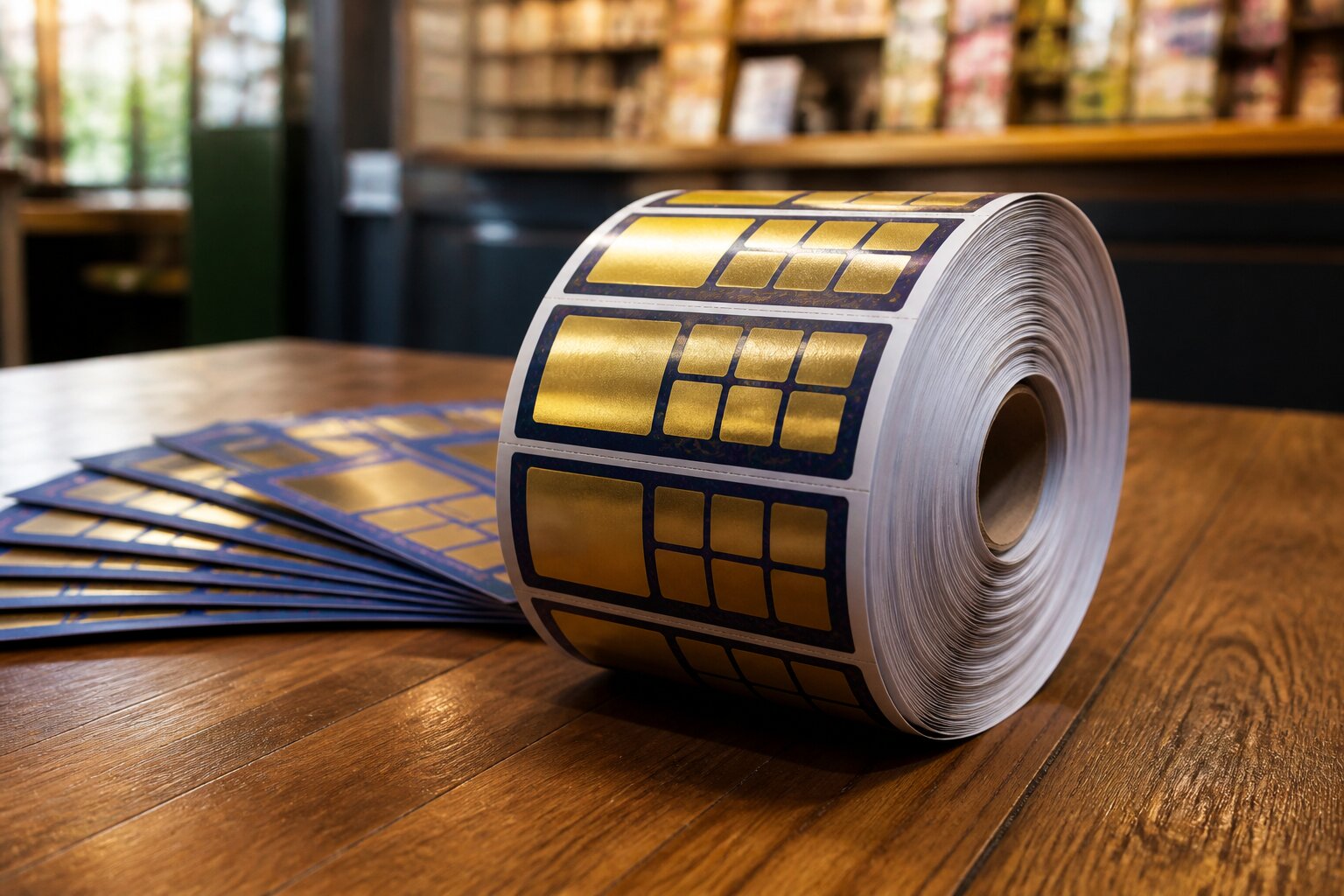
Ever wondered how many scratch cards come in a full roll when you see them stacked behind the counter at your local shop? You are not alone. It’s a common question for anyone curious about how scratch cards are supplied and sold.
This article explains what a "standard roll" means, why the number of cards varies, and what that means for retailers and buyers. Read on to get a clear picture of how the system works and what to look out for.
What Are The Common Roll Sizes Used By Operators?
Roll sizes are set by the game type and manufacturer, so there is some consistency but also variation. Typical roll sizes you will see are 40, 60 or 100 cards. Higher-value games usually come in smaller rolls, often 40 or 60 cards, while lower-value games commonly use rolls of 100.
Retailers may see different sizes depending on the supplier’s choices for each game and any product updates. New game launches can use different packaging and quantities compared with older lines.
If you are interested in a particular game, check the supplier’s product information for the exact roll size. That avoids surprises when placing an order or inspecting stock.
How Much Does A Full Scratch Roll Cost?
The cost of a full roll is simply the ticket face value multiplied by the number of cards in the roll. For example, a roll of 100 tickets at £1 each costs £100, and a roll containing 40 tickets at £5 each costs £200.
To make the examples clearer, here are two common scenarios:
- 100 tickets at £1 each = £100
- 40 tickets at £5 each = £200
Retailers set prices at the ticket face value, so calculating the total is straightforward arithmetic. Some retailers may keep records of roll sizes and prices to help with ordering and stock control.
Bear in mind that rolls are distributed for resale to authorised retailers and are not commonly sold as single-roll purchases to private individuals. This means private buyers usually cannot purchase individual full rolls directly from the distributor.
Where Can I Buy Full Scratch Rolls In The UK?
Full rolls are supplied to authorised retail outlets and are not sold to the general public. Retailers must buy their stock through the official supply chain rather than from casual sellers.
Licensed retailers, such as:
- newsagents,
- convenience stores,
- supermarkets,
obtain their stock from approved suppliers or wholesalers who are authorised to distribute lottery products.
Only businesses that are registered and authorised can order entire rolls. The supply chain is designed to meet regulatory requirements and to maintain secure handling, tracking and accountability of lottery products.
If you are unsure whether a supplier is legitimate, check that they are approved to distribute lottery products. Practical checks include:
- asking to see proof of authorisation or supplier accreditation,
- confirming business details and invoices match a registered company,
- contacting the lottery operator or regulator to verify the supplier.
Purchasing from unverified sources can expose you to counterfeit stock, compromised tickets or legal and financial risks. Always use authorised channels to be sure you are receiving genuine products.
Can Individuals Buy Full Scratch Rolls?
Individuals cannot legally buy full scratch card rolls for their own use. Supply rules restrict rolls to authorised retailers so that distribution can be controlled and regulatory safeguards are maintained.
Those safeguards help to:
- prevent underage access to scratch cards,
- reduce the risk of fraud and theft,
- ensure proper accounting and oversight of sales.
You must be at least 18 to buy any scratch card in the UK. Retailers are required to perform age verification and may ask for ID where there is doubt.
If concerns about gambling behaviour arise, support is available from recognised organisations such as GamCare and GambleAware. Keep play within safe limits, set personal spending boundaries, and seek help promptly if gambling is causing harm.
If you run a business and want to become a retailer, there is a formal application process to gain authorisation to order rolls. This typically involves registering with the relevant lottery or games operator, meeting eligibility and location criteria, and agreeing to comply with rules on sales, record keeping and responsible gambling. Unauthorised buying, selling or possession of full rolls can lead to penalties and legal action, so follow the proper application channels.
How Do I Order Full Scratch Rolls As A Retailer?
Once authorised, retailers order rolls through their supplier’s official channels, such as dedicated portals or account managers. Suppliers will normally ask for proof of a valid premises licence and confirmation that required compliance checks have been completed.
Suppliers commonly specify what documentation and processes are needed. These can include:
- evidence of a current premises licence or registration,
- confirmation that staff training and age verification procedures are in place,
- details of the person responsible for compliance and record-keeping.
Retailers are advised to order quantities they expect to sell, to avoid excess stock. Responsible stock management helps maintain regulatory standards and reduces risks associated with over-availability, including potential misuse or theft.
Keep retailer permissions, licences and any supplier agreements up to date and follow guidance about secure storage and visible display. Maintain accurate records of orders, deliveries and sales so you can demonstrate compliance during audits or inspections.
Also allow for supplier lead times and minimum order quantities when planning stock, and notify your supplier promptly of any changes to your premises or operating procedures that could affect your authorisation.
How Are Scratch Card Rolls Packaged And Delivered?
Rolls are packaged in sealed, tamper-evident wrapping to preserve integrity during transit. The seals and wrapping are designed to show if a package has been opened or interfered with, reducing the risk of unauthorised access.
Deliveries are usually handled by couriers experienced with lottery and gaming products. Each consignment arrives with documentation to verify the order, such as delivery notes and batch numbers, so retailers can confirm they have received the correct items.
Packaging and labelling help retailers check the contents on receipt and ensure the product matches the game specifications. In particular, these details allow retailers to:
- confirm the correct title and game variant
- verify quantities and batch or serial numbers
- check expiry or activation dates where applicable
Once delivered, rolls should be kept in a secure location until they are put on sale. Good storage practices include limiting access to authorised staff, storing rolls in a locked area, and keeping records of who handles them.
These measures protect both the retailer and customers by preventing unauthorised access, reducing the risk of tampering, and helping maintain the integrity of the game.
What To Check When Receiving A Full Scratch Roll?
On receipt, inspect the outer packaging for damage or signs of tampering. Look for crushed corners, torn seals, water marks or anything that suggests the roll has been compromised in transit. If you notice any concerns, remove the item from the sales area and quarantine it until the issue is resolved.
Verify the seal is intact and that the quantity matches the order. Confirm batch or serial numbers against your delivery note, and check any expiry or activation dates if provided. If anything is wrong, contact your supplier immediately and do not make the cards available for sale until the matter is fully clarified.
Check that the artwork, game numbers and branding on the cards match the supplier’s documentation by confirming:
- artwork and design elements are consistent with the supplied proof
- printed game numbers and barcodes correspond to the documentation
- branding and logos match the authorised supplier materials
Any mismatch or discrepancy should be reported without delay, with photographic evidence where possible to support your claim.
Finally, store rolls in a secure, access-controlled place away from public access until you are ready to display them. Maintain a simple log of receipt, checks performed and any issues found so you can demonstrate compliance with regulatory expectations.
These steps protect customers and help ensure you meet regulatory requirements and audit standards.
Are Winning Tickets Randomly Distributed Within A Roll?
Yes, winning tickets are distributed at random throughout each roll. Manufacturers follow strict procedures and independent checks to ensure draws and distributions meet regulatory requirements.
This means there is no predictable pattern to where winning cards appear in a roll. Every ticket is an independent entry in the game and should be treated as such. The placement of winners is determined before distribution, and retailers or buyers cannot influence it.
If you want to understand more about how a specific game is audited or checked, suppliers and regulators publish guidance on testing and compliance that explains these processes in more detail.
Final note: if you ever have questions about purchasing or selling scratch cards, your supplier or the regulator’s published guidance will be the most reliable source.
**The information provided in this blog is intended for educational purposes and should not be construed as betting advice or a guarantee of success. Always gamble responsibly.