
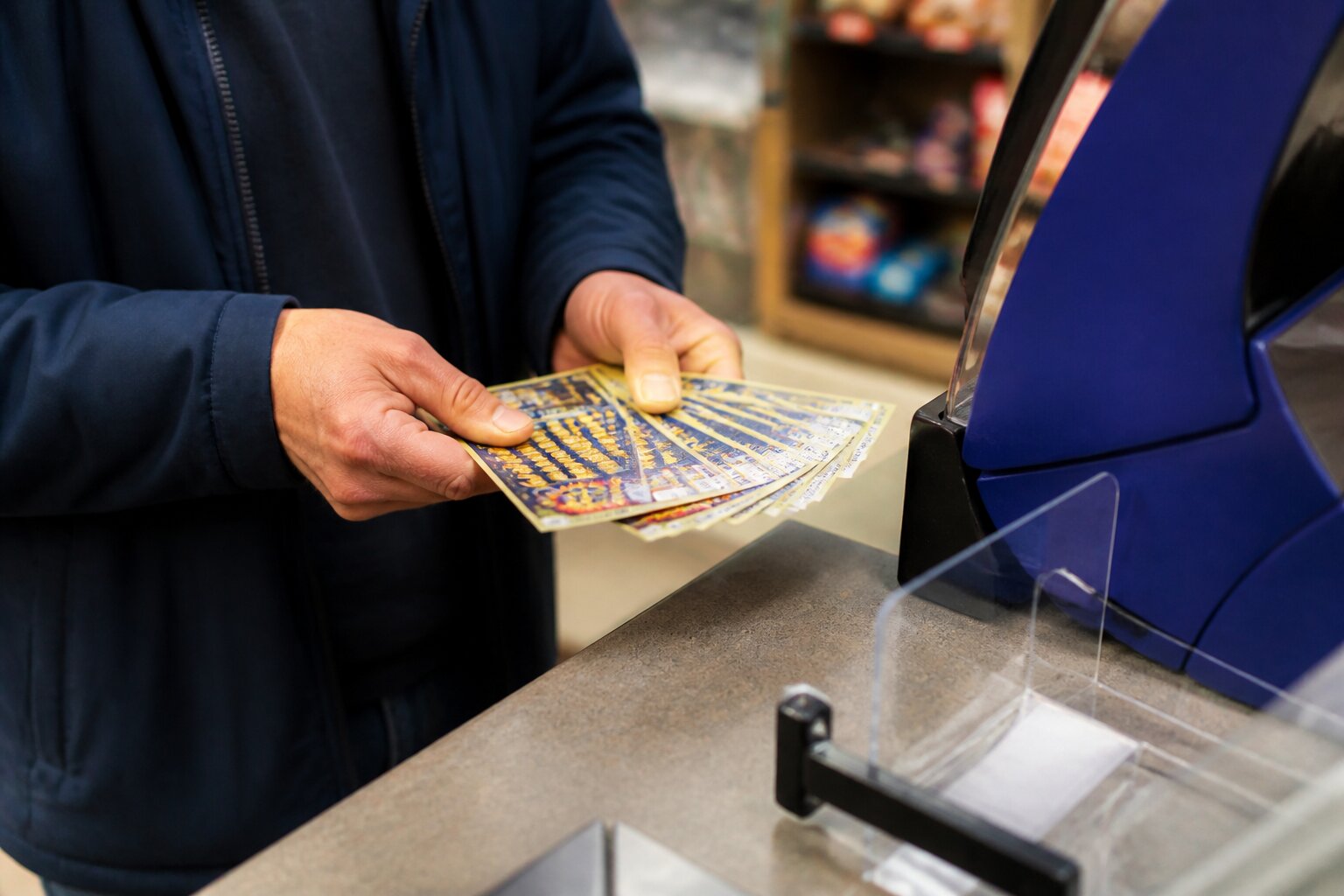
Ever stood at the shop counter wondering whether you can buy a whole handful of scratch cards in one go? It’s a common question, and the short answer is: there’s no single nationwide cap set by law. What matters most is how retailers and online operators handle large purchases, and the checks they use to keep sales lawful and safe.
This guide explains how limits are applied in practice, what identification and payment checks you might encounter, and why those measures exist. Read on to understand what to expect whether you’re buying in a shop or online.
Legal Limits on Scratch Card Purchases in the UK
There is no UK law that prescribes a maximum number of scratch cards someone can buy in a single transaction. Instead, regulation focuses on ensuring gambling activity is carried out in a way that protects people and complies with wider legal requirements.
The regulator sets standards that require operators and retailers to have safeguards in place. Among those safeguards is the simple rule that only adults may buy scratch cards: you must be at least 18. Staff are expected to check ID if there is any doubt about age, and businesses are required to take steps to prevent sales to minors.
Retailers and operators are also expected to be alert to signs of harmful behaviour and to act on legitimate concerns. That means the absence of a statutory limit does not translate to limitless sales in practice; commercial policies and regulatory expectations shape how many cards a customer can buy at any one time. This context explains why stores may handle bulk purchases with care and discretion — next, we’ll look at what that looks like in day‑to‑day retail settings.
How Do Retailers Handle Bulk Purchases?
Retailers set their own policies for large purchases so they can respond to unusual transactions sensibly. If someone seeks to buy a very large number of scratch cards, staff may ask questions or refer the sale to a manager. This is about ensuring the purchase is lawful and that there are no immediate concerns about the buyer’s welfare.
Common practical measures include limiting the number of tickets sold in a single sale, requesting ID for verification, or pausing the sale to carry out further checks. Staff training helps employees recognise patterns that might indicate a problem, such as repeated large purchases in a short time. Where a retailer is part of a larger group, there may be written procedures to follow for high‑value transactions.
These steps protect customers and retailers alike, and they also tie into the checks you might see at payment time, which we cover in the payments section.
What Are Age Restrictions and ID Requirements?
Only people aged 18 or over can legally buy scratch cards in the UK. To enforce this, many retailers operate a ‘Challenge 25’ approach: anyone who appears under 25 is asked to produce valid photo ID. Typical forms accepted include a passport, driving licence, or an accredited proof of age card.
ID checks serve two purposes. First, they prevent underage sales. Second, when combined with staff awareness of spending patterns, they help retailers decide whether to proceed with an unusually large purchase. Clear, visible policies make it straightforward for staff to act consistently, which keeps the sales process fair and compliant.
Knowing what ID to bring can speed up a larger purchase, but even with ID ready, a retailer may still pause a sale if other concerns arise. That same principle extends online, where verification is often more structured; the next section explains how the two buying methods compare.
Online vs In-Store Scratch Card Buying
Buying scratch cards online and buying them in person share the same legal framework, but the mechanics differ.
Maximum Purchase Limits Online
Online platforms commonly place spending controls on accounts. These can include daily, weekly or monthly deposit limits and session-time reminders, which are designed to help customers manage how much they spend and how long they play. Before an account is activated, operators typically verify age and identity using electronic checks to prevent underage gambling and to meet regulatory requirements.
Where a customer wants to increase limits or make a high-value purchase, further verification may be required to satisfy legal and regulatory obligations, and this can include requests for supporting documents or additional identity checks. Online systems also make it easier to apply consistent safeguards automatically, so tools such as self-exclusion, reality checks and configurable limit settings are routinely available and straightforward to use.
These automated controls help reduce the risk of excessive spending by applying the same rules across all customers, and they provide a clear audit trail for operators should any queries arise. Operators must also ensure these measures are easy to find and simple to activate, in line with responsible gambling expectations.
In-Store Experience and Policies
In shops, purchasing is more immediate but staff judgement plays a larger role. Customers choose tickets and pay at the till, and staff may refuse or delay a sale if it appears unusually large or if they suspect the buyer is underage. Retailers have their own procedures for identifying potentially problematic purchases and will often follow specific store policies when deciding whether to proceed with a sale.
Stores may limit sales of particular tickets during promotional periods to ensure fair access and to avoid stockpiling by a small number of customers. Staff training is therefore important, because employees need to recognise signs that a purchase should be questioned and understand how to act in line with legal and company obligations.
Both channels aim to prevent inappropriate sales, but online systems generally rely on automated checks while in-store decisions often involve human assessment. With that in mind, paying for a large purchase can trigger further checks regardless of the channel, which is explained in the next section.
Are There Payment Restrictions for Large Purchases?
Large transactions can prompt extra checks to verify identity and to guard against fraud or money‑laundering. When paying by card or other electronic methods, a retailer may ask for additional verification or delay completing the sale while checks are carried out.
For particularly high‑value purchases, businesses may request proof of funds or other documentation. These checks are proportionate to the risk and reflect legal obligations to ensure the legitimacy of transactions. They are not meant to be obstructive but to protect customers and the business from potential criminal activity.
If a payment method cannot be verified, the retailer may refuse to accept it. That outcome is rare, but it is part of the controls that underpin the broader system of limits and safeguards.
Do Scratch Card Purchase Limits Differ by Brand or Type?
Yes. Some games and launch promotions are managed with specific limits to make distribution fair or to match the risk profile of a product. Higher‑priced tickets, limited editions, or tickets tied to promotions may carry per‑customer purchase limits set by the issuer or by retailers during a promotion.
Operational choices like these balance availability, regulatory expectations and customer protection. They make sure no single person can buy out a limited run of tickets and that access is distributed reasonably among interested buyers. After looking at product‑level limits, it helps to dispel a few common misconceptions about buying multiple tickets.
Myths About Scratch Card Purchase Limits
There are a few persistent misunderstandings. One is that nothing ever restricts bulk buying; in practice, retailers and operators routinely apply limits or checks where appropriate. Another is that buying many tickets alters the chance of winning; each ticket is independent, so previous purchases do not affect later ones.
A further myth is that some outlets will ignore responsible‑selling rules for bulk buyers; reputable retailers follow established procedures and will act if a purchase raises concerns. Understanding these points helps make sense of the practical controls shoppers encounter and why they exist. Those reasons are explored in the following section.
Why Do Limits on Scratch Card Purchases Exist?
Limits and checks are there to protect individuals and the wider community. They reduce the risk of excessive spending by creating clear boundaries around how much can be bought in a short period, and they help prevent sales to underage or vulnerable people who may be at greater risk of harm. These safeguards form part of a broader approach to responsible gambling and consumer protection.
Limits also support compliance with financial regulations, including measures designed to prevent money‑laundering and other illicit activity. By tracking and restricting unusually large transactions, retailers and operators make it harder for regulated products to be misused for criminal purposes and can more readily spot patterns that require further investigation.
Equally important, these measures help maintain public confidence in how lottery and gaming products are sold. When sales are carried out transparently and with appropriate oversight, consumers are more likely to trust the sector and feel reassured that protections are in place.
Taken together, purchase limits, identity checks and monitoring contribute to a safer, more reliable market for everyone. They balance the enjoyment people get from casual play with measures intended to reduce harm and ensure the industry operates within legal and ethical standards.
What Happens If You Try to Buy Too Many at Once?
If a purchase looks unusually large, staff may pause the sale, ask questions, or refer it to a manager. They might also request identification or carry out further checks, particularly if the scratch card payment method requires verification. In some cases, the sale may be refused if the retailer has genuine concerns.
These steps are intended to be proportionate and reasonable, not punitive. They give staff the information they need to be confident the transaction is lawful and that the customer is not at immediate risk. When a sale is declined for these reasons, the retailer should explain the decision and, where appropriate, advise on how a purchase could proceed within policy. This completes the picture of how purchase limits and checks are applied in practice, and it explains what shoppers can expect at the tills or online.
**The information provided in this blog is intended for educational purposes and should not be construed as betting advice or a guarantee of success. Always gamble responsibly.