
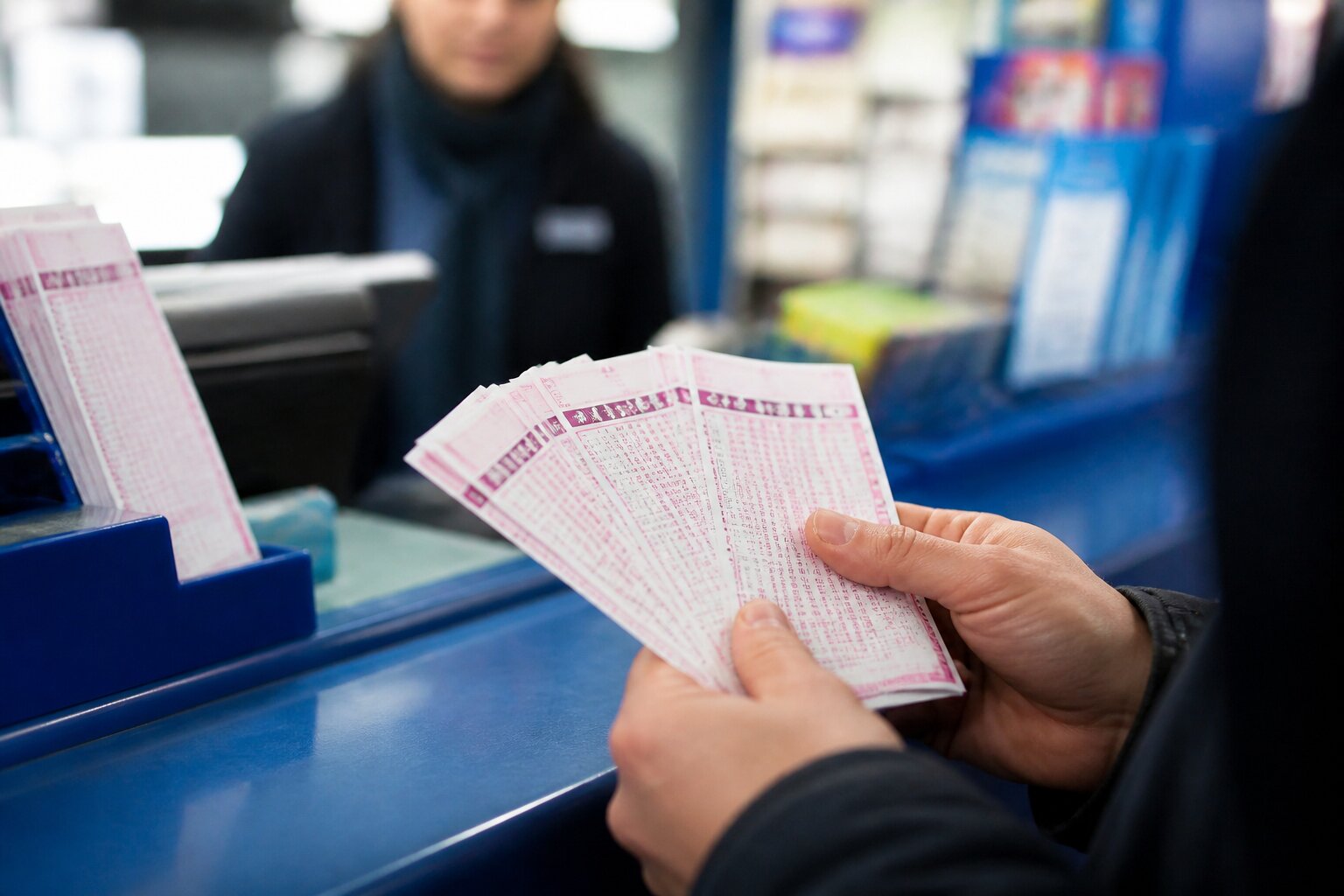
Ever wondered if there’s a limit to the number of lottery tickets you can buy in one go? You’re not the only one. With the big jackpots on show, it is natural to wonder how many chances you can take and what rules might apply.
Whether you pick up a scratchcard in a shop or play lines online, knowing the rules for ticket purchases helps keep play lawful and straightforward. In this article we explain the limits that matter, how purchases are managed both in person and online, and what to expect when buying as an individual or as part of a group. Keep reading to get a clear picture of what is—and is not—allowed.
Understanding UK Lottery Ticket Purchase Limits
The UK Gambling Commission regulates lottery play to keep games fair and to protect players. Its rules require licensed operators to put in place safeguards around sales, age verification and monitoring of purchasing activity.
For the main National Lottery draws such as Lotto, EuroMillions and Set For Life there is no single law that sets a maximum number of tickets per person for a single draw. Operators do, however, apply transaction and account-level controls. For example, the official website typically allows up to ten lines per game per transaction. Additional entries need to be purchased in separate transactions, and accounts often have weekly spending limits.
Age restrictions are enforced for all lottery products. You must be at least 18 to buy National Lottery tickets in shops or online. Retailers must ask for ID if they suspect a buyer is underage, and online services verify age before an account can be opened. These checks help keep play within legal and safe boundaries.
Can You Buy Multiple Lottery Tickets in One Transaction?
Yes. Buying multiple tickets in one transaction is permitted where operator limits allow it. Online systems usually let you select several lines at once, with a typical cap of ten lines per game per purchase for main draws. In shops you can complete playslips with multiple lines or ask for several scratchcards at the counter.
Operators design these limits to keep purchases manageable and to make monitoring easier. If a retailer or system detects purchasing patterns that raise concerns, they can query or refuse the sale. This applies to both physical and digital channels.
Purchasing many tickets at once is possible, but it is wise to consider affordability and how that purchase fits into your overall spending. The next section looks at where bulk purchases are made and what to expect at each point of sale.
Where Can You Purchase Bulk Lottery Tickets?
Bulk ticket purchases can be made in shops and online, each with different practicalities and controls in place. The ways you buy can affect how quickly you receive tickets, what proof of purchase you get, and which safeguards apply. It is important to be aware of these differences before making a large purchase.
Buying In-Store: What to Know
In newsagents, supermarkets and other registered retailers you can usually buy multiple tickets in one visit. Playslips let you mark several lines for a draw and you can request a number of scratchcards at the counter. Some retailers will print a single receipt covering all tickets, while others provide individual receipts for each item, so ask if you need clear proof of purchase.
Staff are trained to notice unusually large purchases and may ask questions or refuse a sale if there are concerns about the welfare of the customer. These checks are there to help prevent harm and to ensure purchases are responsible. Retail outlets are required to enforce age checks and will ask for ID if age is unclear. They also follow policies set by their supplier and by regulators to ensure compliance. If you are unsure about the process, staff can usually explain the paperwork and any limits that apply.
Online Purchases: Restrictions and Processes
Online purchases are handled through player accounts operated by licensed providers. These accounts require age and identity verification before purchases can be made and typically impose limits on the number of lines per transaction and on weekly spending. Verification may involve submitting documents or using third party checks, and withdrawals or large wins can trigger additional identity checks.
Digital platforms offer tools such as deposit limits, time-outs and account activity summaries that make it easier to monitor spending. They also automatically block transactions that exceed the account limits set by the operator. Many operators provide clear transaction histories and notifications, so you can track purchases and spot any unexpected activity quickly. These features aim to balance convenience with safeguards that protect the player and uphold regulatory requirements.
With the differences between in-store convenience and online controls covered, the next section explains why these limits exist and what they aim to achieve. This helps clarify the role of responsible gambling measures and how they are intended to reduce potential harm.
Why Do Limits on Lottery Tickets Exist?
Limits on ticket purchases exist to protect players and maintain integrity. By capping transactions and monitoring account activity, operators reduce the risk of excessive spending and make it harder for abusive behaviour to go unnoticed.
Retail staff are instructed to look for signs that a person may be struggling with gambling, such as repeatedly buying large quantities of tickets. They have authority to refuse sales when it appears necessary. Online systems use automated controls to achieve the same aim, flagging unusual activity and enforcing spend caps.
Age verification is another reason for strict controls. Ensuring all purchases are made by adults is a basic legal requirement that also prevents minors from participating. Operators must follow the standards set by the regulator, which include purchase limits, monitoring and intervention mechanisms to protect customers.
Understanding these safeguards helps explain how rules are applied to different purchase methods and to group play, which we cover next.
Rules for Syndicates and Group Lottery Ticket Purchases
Syndicates pool money so a group can buy more tickets between them. Every participant must be at least 18, and contributions and prize shares should be handled transparently to avoid disputes.
When a syndicate buys online, a verified account holder makes the transaction on behalf of the group. Operators still apply the same transaction caps and account limits, and they offer the same responsible tools such as spend limits and self-exclusion options to the account holder. Clear records of who has contributed, how much each person has put in, and how any prizes will be divided are important practical safeguards.
Offline syndicates commonly buy tickets through a single member who then distributes copies or keeps the physical tickets secure. Regardless of the method, the sale is subject to the same age and purchase checks that apply to individual buyers. The practicalities of running a syndicate are straightforward when transparency and simple record-keeping are in place.
Next, we look at how national and private lotteries may apply these rules differently in practice.
Are There Differences Between National and Private Lotteries?
Both national and private lotteries must meet regulatory requirements, but they can differ in how they set operational limits and manage sales.
The National Lottery follows consistent practices across its main draws, often using clear per-transaction caps and well-publicised account controls. Private lotteries, including those run by charities or smaller operators, must still adhere to regulator standards but may set different purchase limits or ticket formats that reflect their prize structures and audience.
Regardless of operator type, the underlying aims remain the same: prevent underage participation, reduce harmful patterns of spending, and maintain the fairness of the games. Differences in ticket limits are operational choices rather than ways to alter odds or give advantage, and operators must use monitoring systems to keep the games secure and compliant.
The following section explains what happens if someone tries to exceed the limits that operators put in place.
What Happens If You Try to Exceed the Maximum Ticket Limit?
If a purchase would breach the operator’s transaction or account limit, the system will block the transaction. Online platforms provide an error message explaining why the purchase did not complete. You will be able to try again later within the permitted limits.
Retailers can refuse sales that appear excessive or that raise concerns about the buyer’s welfare. Attempts to bypass limits by using multiple accounts or other means risk investigation and may result in account suspension or closure.
For syndicates, the rules are the same: a single account must make the purchase and cannot exceed the operator’s caps. Operators monitor activity and can take action if they see repeated attempts to circumvent controls.
With that settled, the next section dispels common myths about ticket limits so you have a clear understanding of what is real and what is not.
Myths and Misconceptions About Lottery Ticket Limits
There are several persistent myths about lottery ticket rules. One is that limits are arbitrary or can be easily bypassed. In truth, licensed operators follow defined procedures and systems that prevent simple workarounds.
Another myth is that private lotteries are exempt from restrictions. All legitimate operators must follow regulatory standards, although they may choose different formats and limits to suit their schemes. That is an operational difference rather than a loophole.
Finally, some people think buying many tickets drastically changes the statistical chance for a single line. Each line retains the same odds as defined by that game’s format. Structural differences in prize amounts and distribution reflect how individual lotteries are set up.
Understanding these points clears up confusion and helps people make informed choices about how they take part. The final section summarises the essentials so you leave with a practical view of how ticket limits operate across the UK.
Key Takeaways on UK Lottery Ticket Purchase Limits
Ticket limits exist to keep play legal, fair and manageable. Operators use per-transaction caps, account-level spending limits and age checks to meet regulatory requirements and to protect customers.
Purchases can be made in person or online, and both routes include safeguards. Syndicates are permitted but must be run transparently and must comply with the same age and purchase controls as individual players. Attempts to exceed limits will be blocked and could prompt account review.
If you want to keep playing, use the tools offered by operators to monitor spending and set sensible boundaries for yourself or a group. These measures help ensure the lottery remains an accessible activity that operates within the rules and safeguards intended to protect everyone.
**The information provided in this blog is intended for educational purposes and should not be construed as betting advice or a guarantee of success. Always gamble responsibly.