
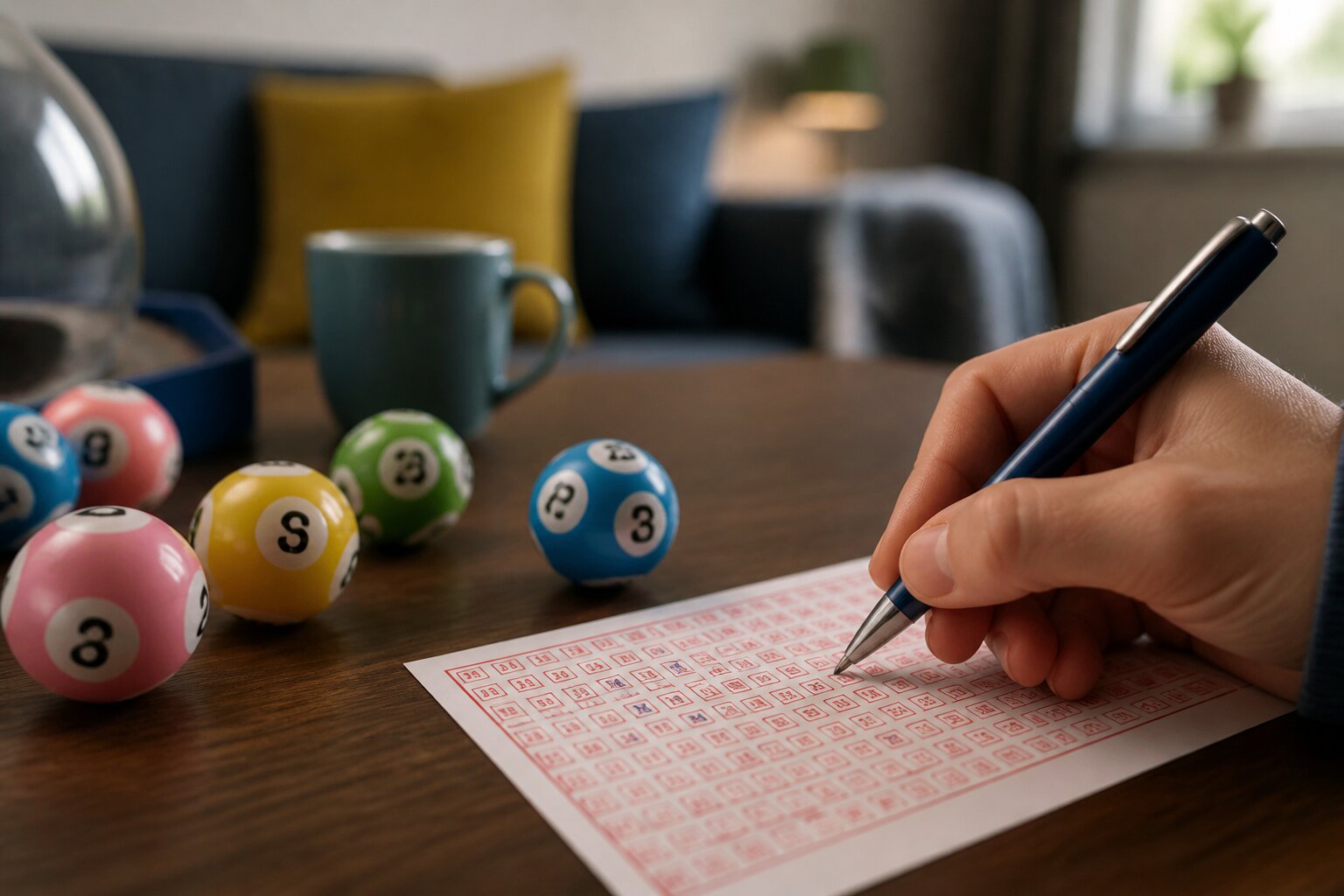
Ever stared at your lottery ticket and wondered whether the order of your numbers matters? It’s a common question when results are announced and you’re checking a ticket.
With different draws and ticket types, the rules can look confusing. Before you discard a ticket or shout about a near miss, it helps to know exactly how number matching works and what to check on your ticket.
Read on to clarify how prizes are awarded and how to avoid missing a legitimate win.
How Are Lottery Prizes Determined in the UK?
Lottery prizes in the UK are awarded according to the published rules of each game and by independent processes that verify draws are fair. Every game establishes prize tiers that correspond to how many of the drawn numbers a ticket matches. The biggest prize is typically for matching every main number, with smaller prizes for fewer matches.
Ticket sales fund the prize pool, while the remainder covers administration, contributions to causes set by the operator, and taxes. The precise allocation and the mechanics of the draw are described in each game’s official terms and conditions so players can check exactly how a game operates.
Operators must meet regulatory standards designed to protect players and ensure transparency. Play with clear expectations and within your means. If you find playing causes concern, help is available through support services. This sets the scene for how matching rules work in practice, which we’ll explore next.
Understanding Lottery Number Matching Rules
Matching rules differ by game, but the core idea is consistent: prizes are tied to how many drawn numbers appear on a ticket. Most traditional draws specify a set of main numbers and sometimes an additional number that affects certain prize tiers. Whether the numbers on your ticket are listed in the same sequence as those drawn is usually irrelevant in these draws.
Each game publishes instructions about how results are determined and under what conditions different prize levels are paid. Those instructions are the definitive guide for any specific game and should be consulted if there is any doubt. The next section looks at the most common draw formats and how they apply this matching principle.
Rules for National Lottery Draws
Games such as Lotto and EuroMillions award prizes based on the count of matching numbers rather than their order. For example, if a ticket contains the same set of main numbers drawn, the exact sequence on the ticket does not change the prize tier the holder receives. Some draws include a bonus number or Lucky Stars element that creates extra prize levels, and guidance for these features is outlined in the game rules.
Draws are subject to independent oversight and published procedures that confirm results are generated correctly. That means the essential requirement is matching the required numbers, not matching their sequence. Looking ahead, the way instant-win products apply matching can be different, so it’s worth noting the contrast.
Differences in Scratchcard and Online Games
A scratchcard might require revealing a particular number or combination, or matching symbols to a displayed winning symbol, while online instant-win designs can vary widely in how matches are recognised.
Because these products can use patterns, symbols or specific arrangements to trigger a prize, their instructions are more likely to state when order or placement matters. Always read the game’s printed or onscreen rules so you know whether a particular arrangement is required. That said, most instant-win formats still rely on matching items rather than sequence.
What Happens If You Have the Right Numbers in the Wrong Order?
In standard UK-style draw games, having the correct numbers in a different order does not affect whether a ticket wins. If all main numbers on a ticket match the drawn numbers, the ticket qualifies for the relevant prize regardless of sequence. This applies to mainstream draws where prize tiers are linked to the count of matching numbers.
Exceptions are most commonly found in non-draw products such as some scratchcards or specially designed instant-win games that specify a required pattern or order. For any product with unusual requirements, the official terms set out exactly what must appear on the ticket or card. Next, we’ll clear up some of the myths that often surround lottery wins.
Myth-Busting: Common Misconceptions About Lottery Wins
There are a number of persistent misconceptions about how wins are awarded. One frequent idea is that certain number patterns or arrangements increase the chance of winning. In draw-based games that use random selection, every combination of numbers has the same chance of being drawn, so no pattern gives an advantage.
Another misconception is that order ever matters in mainstream draws. Aside from the limited exceptions noted for particular instant-win games, sequence is not a factor in prize determination for games that award prizes by matched counts. No method or system can change the mathematical structure of a draw, and every participant should base expectations on the game’s published rules rather than hearsay.
With those misunderstandings cleared up, the next section gives concrete examples of how matching works across common UK games.
Do Orderly Numbers Increase Your Chances?
Choosing numbers in sequence or in any recognisable pattern does not alter the probability of a match in standard draws. Random selection processes ensure each possible set of numbers is equally likely. The fairness of the process is maintained by published draw procedures and independent verification.
Is There Ever a Game Where Order Matters?
Order can matter in individual scratchcards or some instant-win formats when the game is designed around arrangements or sequences. Those cases are always described in the product rules, which explain whether a particular order or layout is necessary for a prize. For most mainstream draw games, however, order is not relevant.
Examples of UK Lotteries and Number Matching
Different UK lottery games illustrate how matching rules are applied in practice. In Lotto, players pick six numbers from 1 to 59; matching all six main numbers in any order wins the jackpot, while fewer matches secure lower-tier prizes. EuroMillions uses five main numbers plus two additional numbers that create extra prize levels; again, order is not a factor for prize qualification.
Thunderball involves five main numbers and a Thunderball number. Prizes are based on how many of those numbers match what was drawn rather than the order they appear on the ticket. Set For Life combines a set of main numbers with a Life Ball and follows the same matching-by-count approach.
Scratchcards and instant-win products remain the main area where matching requirements can differ, so their on-card or on-screen guidance should be consulted when a game’s prize mechanism isn’t obvious. Having seen how these games handle matches, the final section summarises the key points to take away.
Key Takeaways: What to Remember About Number Order and Winning
Most UK draw-style lottery games award prizes by counting how many drawn numbers a ticket matches, not by the sequence on the ticket. Lotto, EuroMillions, Thunderball and Set For Life all operate on this principle, while some scratchcards and instant-win formats may specify arrangements or sequences as part of their mechanics.
Always check a game’s published terms and the instructions provided with the ticket or on-screen because those rules are definitive for that product. Play with clear expectations, stay within your means, and seek support if participation becomes difficult. With the rules understood, you can be confident about whether a ticket is a winner and avoid missing a legitimate prize.
**The information provided in this blog is intended for educational purposes and should not be construed as betting advice or a guarantee of success. Always gamble responsibly.