
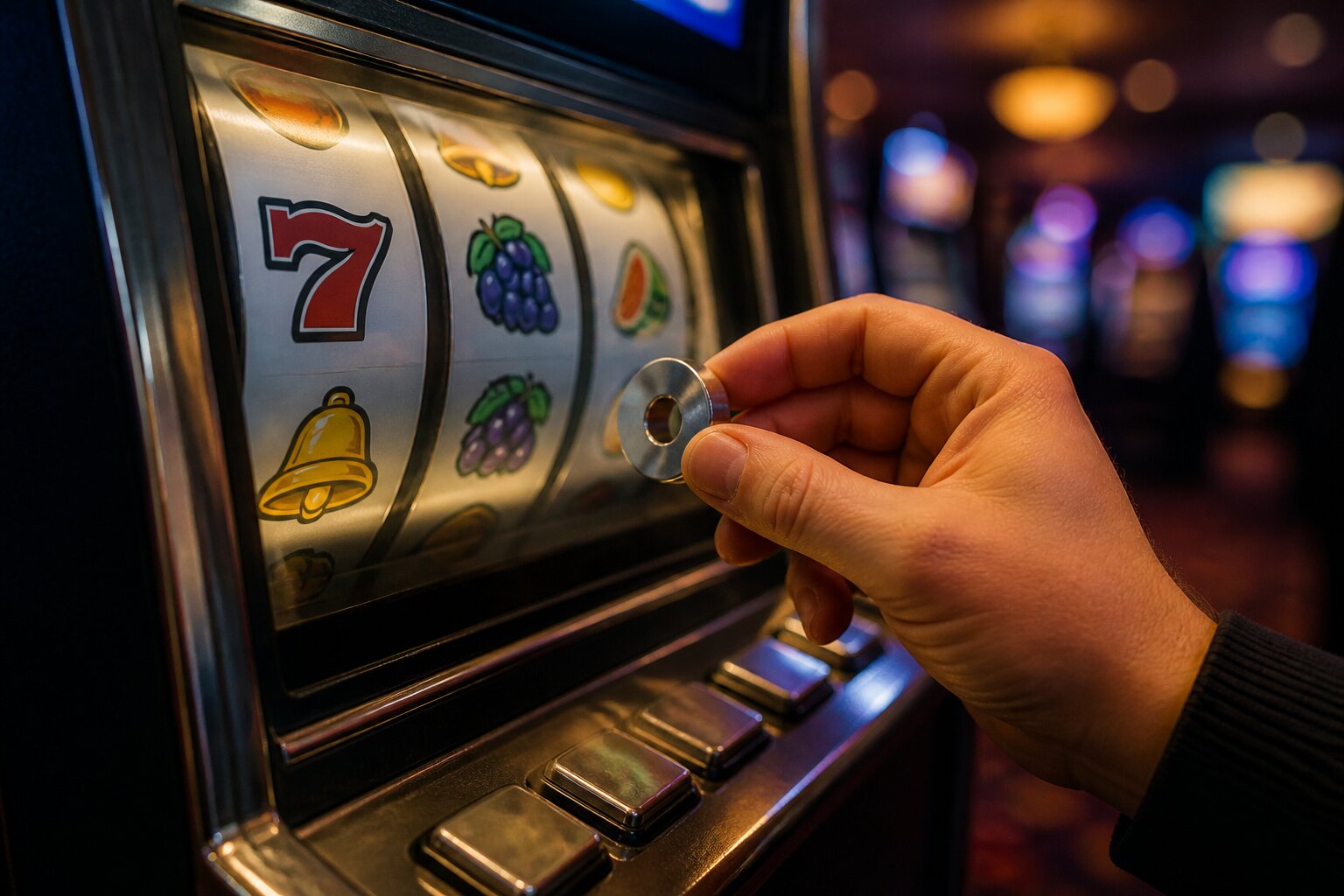
Have you ever heard the rumour that a magnet can make a slot machine cough up a win? These stories crop up in pubs, message boards and films, and they can sound convincing at first glance. But where do they come from, and do they stand up to scrutiny?
Slot machines have always attracted myths about secret hacks and shortcuts. This article breaks down the most common claims about magnets and slots, explains how modern machines actually work, and looks at the real protections that stop tampering. Read on to separate fact from fiction and understand why these tales persist.
How Do Slot Machines Actually Work?
Modern slot machines are built around digital systems rather than moving mechanical parts. The central component is the Random Number Generator, or RNG. This software produces a continuous stream of numbers; when you spin, the machine uses the current number to determine the result. Each spin is independent, so outcomes cannot be altered by anything outside the machine’s programmed behaviour.
Licensed games are subject to independent testing and ongoing checks by the Gambling Commission and accredited laboratories before they are offered to players. These checks verify that the RNG and payout settings meet regulatory standards and perform as advertised.
Because outcomes are determined by secure software processes, there is no physical point of contact that a magnet or similar device could reliably influence. The visible reels or animations are presentation layers that reflect the RNG result, not the mechanism that creates it.
What Are the Common Myths About Magnets and Slot Machines?
A handful of persistent legends about magnets and slots get repeated a lot. Below are the most common versions and clear explanations of why they are misleading.
Myth 1: A Magnet Can Change the Outcome of a Spin
This idea likely stems from an older era when some machines contained metal components that could be affected by strong magnetic fields. Those early mechanical parts could in theory be influenced by physical forces, which led to stories and attempts to exploit them.
Modern electronic machines are entirely different. They use microprocessors, electronic sensors and a random number generator, or RNG, to determine each result. There are no exposed mechanical parts for a magnet to move, and the RNG is software-based and protected by hardware and regulatory controls.
Physical interference cannot change the software state that determines a spin. Attempting to interfere with a machine is both illegal and likely to result in arrest, a ban from venues and fees or other penalties under gambling law.
Myth 2: Magnetic Tricks Work at Online Casinos
Online slots are pure software running on secure servers and delivered over the internet. There is nothing physical to affect with a magnet, nor any way for a consumer to alter server-side code from a client device.
Reputable operators use encryption, independent testing and licensing oversight to ensure fairness and integrity. Claims that magnets or similar gadgets can help with online play are misunderstandings, urban myths or deliberate misinformation designed to mislead.
Myth 3: Casino Games Can Be Tampered with Using DIY Gadgets
Stories of homemade devices fooling slot machines make for dramatic headlines, but licensed casino games have multiple security layers. Machines are monitored by CCTV, internal tamper sensors, audit logs and operator procedures that detect unauthorised access.
Any attempt to open, modify or interfere with a machine is likely to trigger alarms, be detected in audits and be investigated by regulators and law enforcement. Real-world protections make these DIY tales impractical, unsafe and illegal.
If you are curious where these rumours come from, many have their roots in:
- isolated historical cases involving obsolete mechanical machines,
- misreported incidents where facts were misunderstood or exaggerated,
- fictional portrayals in films and novels that overstate what was technically possible.
These sources help explain why the myths persist, but they do not change how modern regulated games operate.
Are Magnets Effective on Modern Slot Machines?
No. Magnets are not effective on current slot machines. Machines today are predominantly electronic and software-driven, and their sensitive components are shielded. The RNG, encryption and tamper-detection systems operate independently of any external magnetic influence.
Casinos and licensed operators choose games that conform to regulatory requirements, and those requirements include technical safeguards against tampering. The parts you interact with are designed to display results securely. Trying to interfere with a machine risks criminal charges and immediate removal from the premises, and it will not change the underlying game mechanics.
If you are interested in better understanding how machines are tested, independent laboratories certify the RNG and software, and regulators require ongoing checks to make sure games behave as intended.
How Are Slot Machines Protected Against Tampering?
Slot machines are defended by a combination of physical, electronic and procedural measures that work together to deter and detect interference. These layers operate in parallel so that if one control fails, others remain in place to protect the machine and the players.
Below are the main categories of protection and how they operate in practice.
Physical Security Measures in Slot Machines
Machines are housed in locked cabinets with controlled access, and keys or access cards are restricted to authorised staff only. When a machine is opened for servicing, automated logs record who accessed it and why, creating a clear audit trail that can be reviewed later.
Surveillance cameras and security personnel monitor the gaming floor continually. Cameras record activity around machines, and staff are trained to spot unusual behaviour or patterns that may indicate tampering.
Together these measures make unauthorised access difficult, time consuming and easily traceable. Physical protections also include tamper-evident seals on sensitive panels and secure cash boxes, which further discourage interference.
Software and Electronic Safeguards
Software protection includes several complementary features designed to maintain the integrity of the game software and hardware:
- Encrypted firmware that prevents unauthorised reading or rewriting of the machine's core code.
- Integrity checks that continuously verify software files and configurations against known good values.
- Tamper sensors that detect physical interference with the cabinet or internal components and trigger alerts.
The random number generator and payout tables are sealed within the software environment, and any attempt to modify code or hardware parameters generates alerts to operators and regulators. Operators also schedule routine audits and independent tests to confirm that software has not been altered and that the RNG behaves as expected.
These electronic safeguards mean that even sophisticated interference is likely to be detected quickly, and that any discrepancies produce records that can be investigated.
These layers of defence are designed to protect players and the business alike, maintaining the integrity of the game environment and supporting transparent, accountable operations.
What Are the Legal Consequences of Attempting to Cheat a Slot Machine?
Attempting to cheat or tamper with a machine is a criminal offence and can carry severe consequences. Convictions may lead to fines, criminal records and prison sentences. Operators treat suspected fraud seriously, and casinos work closely with law enforcement and regulators when incidents occur.
Alongside criminal sanctions, anyone caught trying to defraud a casino will face civil consequences within the industry. This can include being banned from venues, losing any disputed funds and having details shared with other operators. Investigations into tampering are thorough, and outcomes can affect personal and professional life long after the incident.
Understanding these consequences helps explain why the few historical cases that did occur were pursued vigorously and why modern systems are designed to make tampering both difficult and risky.
Reliable Ways to Play Slot Machines Responsibly
Playing slots as an entertainment activity is a personal choice and there are sensible steps people take to keep that experience positive. Here are practical approaches that help maintain control and reduce harm while playing.
Set a Budget
Deciding in advance how much you will spend and sticking to that amount removes pressure from decisions made in the moment. Treat any money spent as the cost of the entertainment rather than an investment.
Use Available Control Tools
Many operators provide features such as deposit limits, time reminders and voluntary time-outs. These tools are there to support players who want to manage their activity, and using them can make play more predictable and contained.
Take Breaks and Check In
Regular pauses during a session give perspective on how the activity fits with other commitments and priorities. If the experience stops being enjoyable, pausing or stopping is the appropriate response.
Seek Support If Needed
If gambling habits cause concern, confidential support and advice are available from specialist organisations. Reaching out early can prevent problems from escalating.
Gambling is restricted to adults. Keep within the rules and use the tools and support available to make sure play stays safe and under control.
This summary should leave you with a clear picture: magnets and similar gadgets are not effective against modern slot machines, and the protections around games make tampering both impractical and illegal. Play with awareness, understand the safeguards that protect games, and rely on established tools and support if you ever need them.
**The information provided in this blog is intended for educational purposes and should not be construed as betting advice or a guarantee of success. Always gamble responsibly.